
Did You Know? Your Recovery Starts Before Surgery.
At Lymph-A-Hand, we begin your breast cancer rehabilitation journey with Prehab & Empower—a proactive phase designed to prepare your body, protect your function, and build confidence even before your first incision.
These gentle exercises and strategies aren’t just for before surgery—they continue to support you safely through the early recovery phase, helping to reduce complications, improve mobility, and promote smoother healing.
While most clinics wait until after surgery to start rehab, we don’t.
Starting early leads to stronger outcomes and a more empowered recovery.
PHASE I: EMPOWERMENT
-

Personalized education and one-on-one consultation
Rehab Begins Before Surgery
Rehabilitation doesn’t start after surgery — it starts before- Pre Hab. . We help you prepare your body and mind for healing with gentle movement, scar education, and drain-safe exercises designed to reduce complications and improve your recovery.
As part of this early intervention, we assess your functional tolerance — your body’s ability to handle everyday tasks like lifting, carrying, walking, reaching, maintaining posture, and managing fatigue. Understanding how your body performs now helps us personalize your care plan, track your progress, and set you up for a smoother, safer recovery. You’ll feel more confident and informed going into surgery, with a clear understanding of how to support your healing from day one. We’re here to guide, educate, and support you every step of the way.
To find out more about what functional tolerance looks like, CLICK HERE
-

Gentle mobility strategies for neck, chest, and shoulder
In the first few days after surgery, we focus on safe, gentle mobility—restoring movement in the neck, chest, and shoulder without disrupting healing. As your body allows, we progress gradually to more advanced techniques to prevent stiffness and protect long-term function.
-
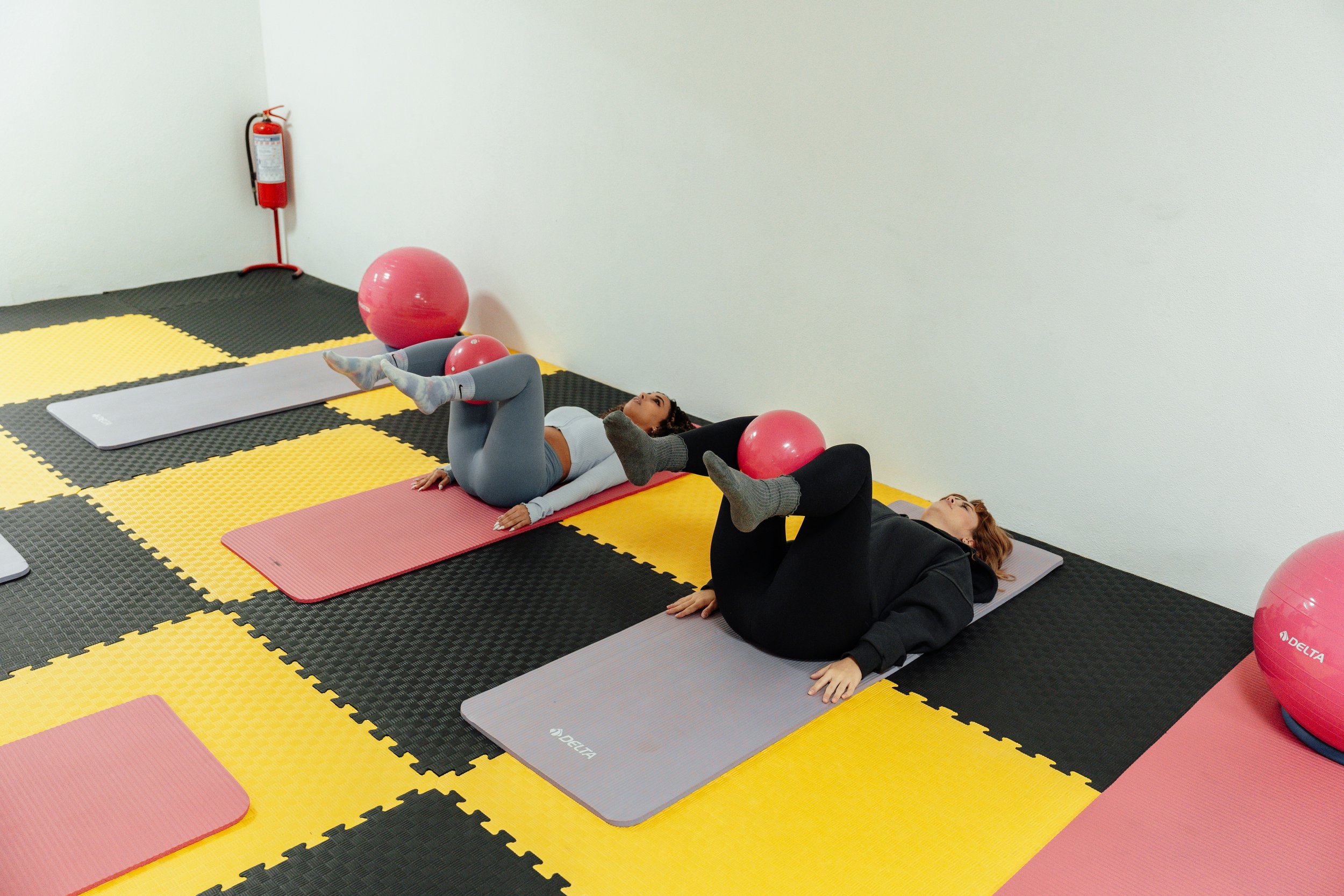
Core Activation
Why Core Activation Matters BEFORE AND AFTER Breast Cancer Surgery
After surgery, your body may rely more on the neck, shoulders, or back to move—causing strain and imbalance. Core activation helps restore control and support where it’s needed most.
Benefits include:
Improved posture and balance
Reduced shoulder and back tension
Safer movement during recovery
Support for lymphatic flow and breathing
A strong core helps you heal with confidence—from the inside out.
-

Safe movement techniques with surgical drains
Worried About Moving With Drains?
You’re not alone—and you don’t have to worry.
At Lymph-A-Hand, we’re specially trained to guide you through safe, drain-friendly movement in the early days after surgery. With expert techniques and gentle support, we help you stay mobile, reduce discomfort, and protect your healing—all without disrupting your surgical site. -
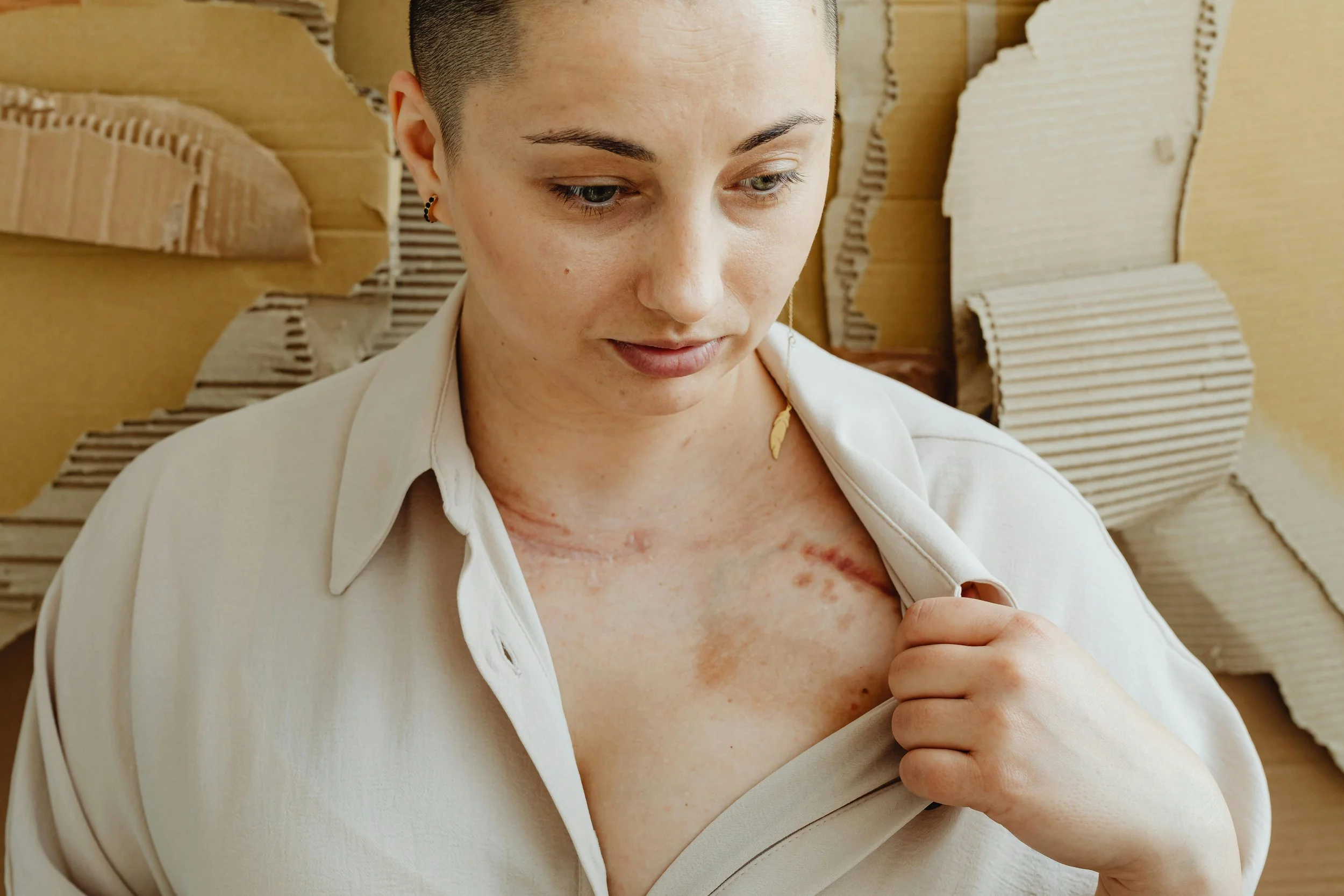
Scar preparation and soft tissue support
Scar care doesn’t start weeks later—it begins early with education and gentle techniques. At Lymph-A-Hand, we help you prepare the skin and surrounding tissue to minimize tightness, reduce sensitivity, and improve long-term mobility.
Early scar preparation supports:
Healthier, more flexible scar formation
Reduced risk of adhesions and nerve irritation
Better range of motion in the chest, shoulder, and arm
-

Lymphatic therapy to reduce swelling and promote comfort
You don’t need to have lymphedema to benefit.
Many patients experience mild swelling, tightness, or fluid buildup after surgery or radiation. Lymphatic therapy helps move that fluid safely, supporting circulation and preventing complications.Benefits include:
Reduced swelling and discomfort
Softer, healthier tissue
Improved mobility and healing
Relaxation and nervous system support
Lymphatic care is not just for managing illness—it's for promoting healing
-

WANT TO EXPLORE MORE?
At Lymph-A-Hand, we believe every person is unique and deserves care that reflects their individual journey. While this movement approach offers a strong foundation, your plan is always tailored to your specific needs—physically, emotionally, and energetically.
Want to explore more of what we offer?
Visit our Oncology massage andHolistic Care section to learn how we integrate lymphatic therapy, hands-on healing, and whole-body wellness into every step of your recovery.
Our goal is simple: to help you return to what you love—STRONG, confident, and without limits.
We continue key elements from Phase I, like scar realignment and functional movement, but NOW we advance your care with targeted training to rebuild strength, mobility, and endurance. This is where healing transforms into thriving—so you’re not just recovering, you’re ready.
You’re not going back to who you were. You’re becoming even STRONGER.
Phase II: Resilience
-

Advanced mobility and strengthening exercises
Our advanced home-based rehab is designed to restore the strength, stability, and mobility you need to confidently return to the way you once worked out—or even better.
Whether your goal is yoga, strength training, walking, or just feeling powerful in your body again, we guide you with personalized progressions that meet your current needs and grow with you.
Your workouts may look different, but your strength is still yours—and we’ll help you get it back.
-

Postural Strength
Breast cancer surgery—especially mastectomy, reconstruction, or lymph node removal—can disrupt the balance of your upper body. Without proper support, you may develop tightness, rounded shoulders, or compensatory patterns that lead to pain, fatigue, or limited mobility.
Strengthening your posture helps to:
Re-align the spine and shoulders after surgical changes
Reduce strain on the neck, back, and joints
Support lymphatic flow and reduce risk of swelling
Improve breathing, confidence, and energy levels
Prevent long-term complications like frozen shoulder or nerve pain
Postural strength isn’t just about standing tall—it’s about helping your whole body work better, longer, and with less pain.
-

Advanced Core Activation
Advanced Core Activation & Its Importance After Surgery
Advanced core activation engages the deep abdominal and back muscles through controlled, coordinated movements to rebuild strength and stability. After breast cancer surgery, this is essential to improve posture, reduce strain on the shoulders and spine, and support safer, more confident movement throughout recovery.